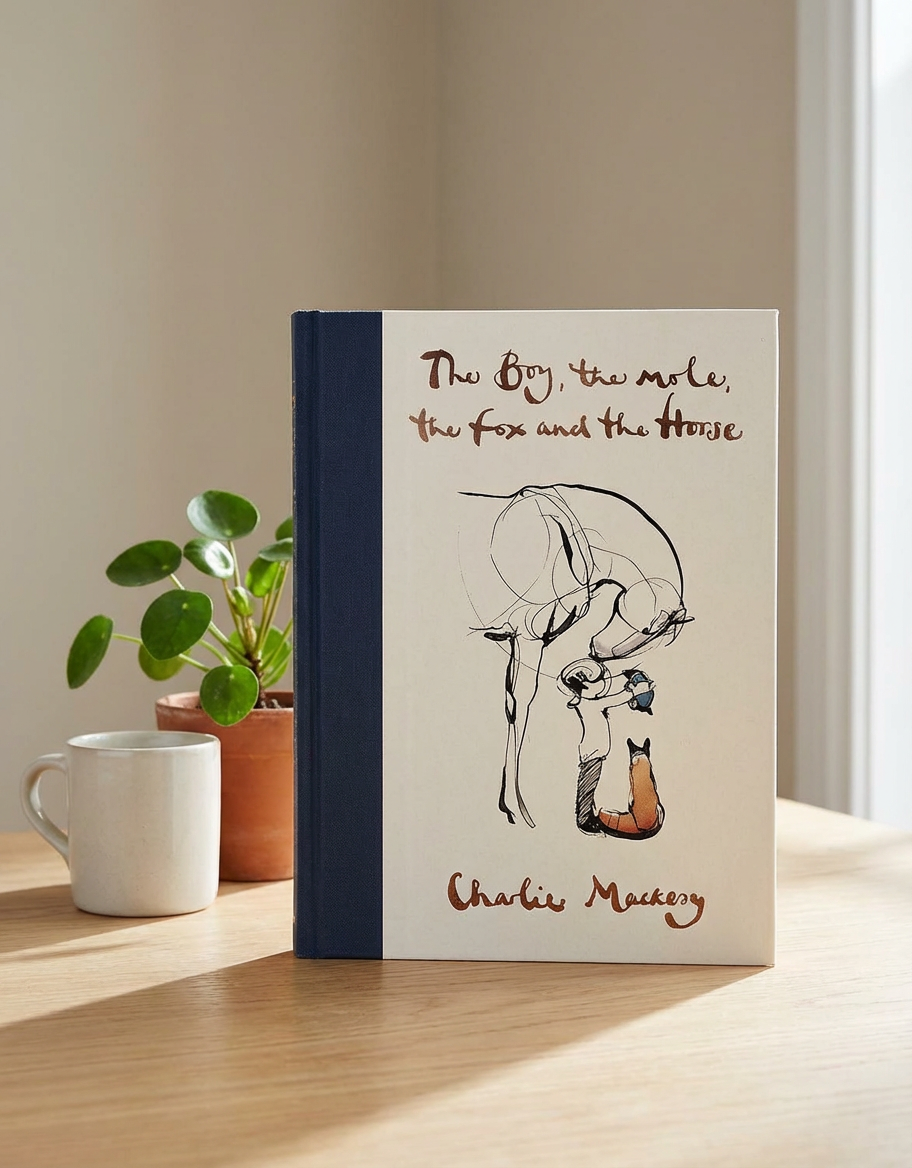
The Comfort Book is not a traditional self-help manual. It has no structured framework, no step-by-step healing plan, and no grand philosophy that requires deep analysis. Instead, it feels like a collection of small reflections, personal notes, reminders, and observations written for days when the mind feels loud and the heart feels tired.
Matt Haig wrote this book after years of openly speaking about his own struggles with depression and anxiety. If his earlier work explored the darkness in depth, this one focuses on what helps you stay afloat inside it. It is intimate without being dramatic. Gentle without being shallow.
This book does not attempt to solve your life.
It reminds you that life is still happening.
Where earlier books in this journey explored awareness, detachment, acceptance, and compassion, The Comfort Book feels like a pause. It is what you reach for when intellectual insight is not enough and you simply need reassurance that you are not alone in feeling overwhelmed.
The writing style is fragmented by design. Some pages are only a few lines long. Others read like short essays. The tone shifts between poetic, reflective, humorous, and deeply vulnerable. It mirrors how emotions actually move — not in neat chapters, but in waves.
What makes this book powerful is its simplicity. It validates the ordinary struggles people rarely articulate: feeling behind in life, fearing failure, comparing yourself to others, waking up anxious for no clear reason. It gently counters those thoughts with perspective, not pressure.
Why You Might Need This Book
Instead of dramatic promises, here are five quiet strengths that make this book worth reading:
It speaks to the days when productivity advice feels exhausting.
It normalizes mental health struggles without romanticizing them.
It offers perspective in small, digestible pieces — perfect for moments when focus is low.
It blends science, philosophy, literature, and personal reflection in accessible language.
It reminds you that setbacks are part of being human, not evidence of inadequacy.
Unlike books that aim to radically rewire your thinking, this one reassures you that you do not need to be “fixed” to deserve peace.
You won’t read this book in a rush. You will open it randomly. You will underline sentences. You will return to certain pages when a particular mood resurfaces. It becomes less of a project and more of a companion.
If you are in a season of reflection, recovery, or emotional fatigue, The Comfort Book offers something rare in personal development literature — softness without denial.
And sometimes softness is the most radical form of strength.
If you’d like to keep this book close for difficult days, you can find The Comfort Book here and experience its gentle reflections yourself.
Disclosure: This post contains affiliate links. If you purchase through these links, I may earn a small commission at no additional cost to you.